As part of our series dedicated to major pigments, it is essential to devote an article to cadmium itself. Before exploring its variations such as cadmium lemon yellow or cadmium red orange, it is important to understand what the cadmium pigment is, its origin, and its importance in the history of painting.
The cadmium pigment marks a major turning point in the 19th century. It symbolizes the entry of modern chemistry into the artist’s studio and the dramatic expansion of the chromatic palette.
The emergence of the cadmium pigment in the 19th century
The discovery of cadmium
Cadmium was identified at the beginning of the 19th century as a by-product of zinc extraction. Chemists quickly discovered that its compounds made it possible to obtain colors of remarkable intensity.
The first commercially available cadmium pigment was cadmium yellow. Its stability and saturation made it a highly sought-after alternative to natural yellows. From this base, other shades gradually appeared, notably reds and oranges.
A revolution in the artists’ palette
Before the arrival of the cadmium pigment, many colors had limitations in terms of durability or intensity. Some red lakes could fade, and certain yellows lacked strength.
The cadmium pigment transformed these constraints into opportunities. It offered clear, luminous, and stable colors. This development accompanied the rise of ready-to-use paint tubes, facilitating artistic practice both in the studio and outdoors.
The cadmium pigment: composition and technical characteristics
What is the cadmium pigment made of
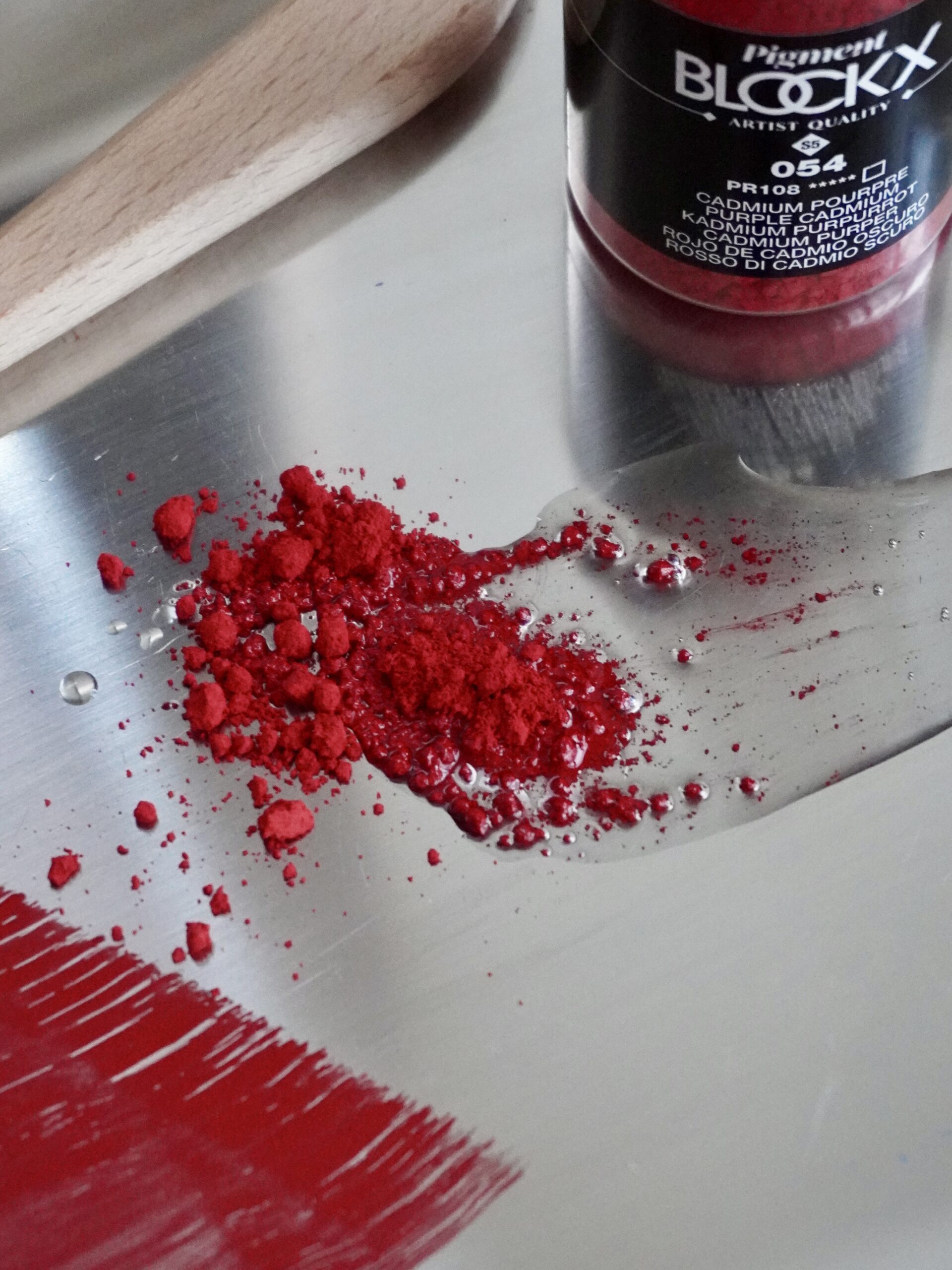
The cadmium pigment is primarily composed of cadmium sulfide, sometimes combined with other elements to produce different shades. By modifying the composition, manufacturers obtain a wide range of colors from light yellow to deep red.
This mineral base gives the pigment excellent lightfastness and great durability. In fine art ranges, this reliability is a central criterion for artists.
Intensity, opacity, and covering power
One of the main characteristics of the cadmium pigment is its high opacity. Unlike some more transparent organic pigments, it allows for dense flat areas and bold brushstrokes.
Its tinting strength is significant. A small amount is often enough to influence a mixture. This intensity makes it a structuring pigment within the palette.
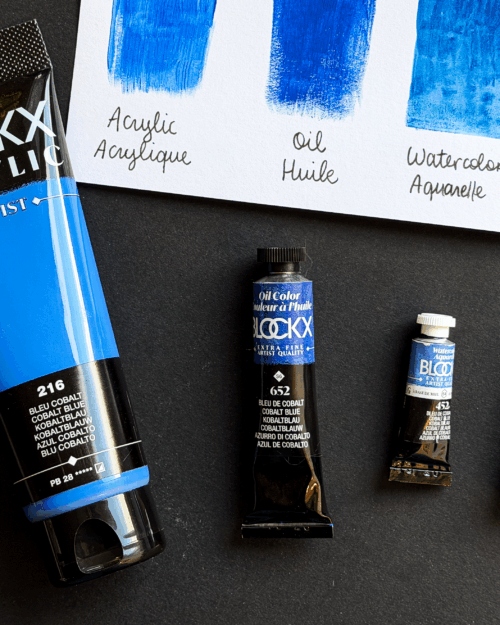
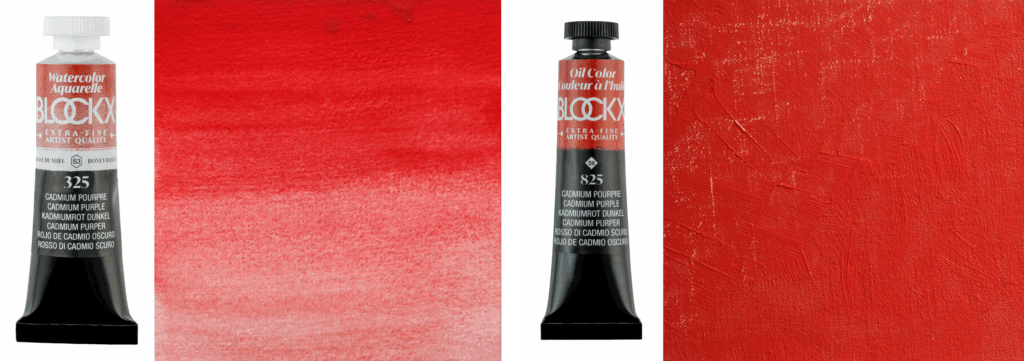
In oil painting, it offers a rich and deep body. In acrylic, it retains its brilliance and vibrancy. Its stability ensures faithful color preservation over time.
The different cadmium shades
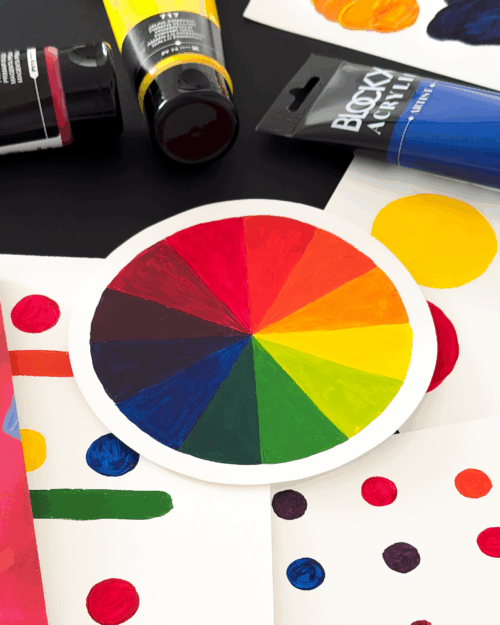
The term cadmium pigment encompasses several colors. Cadmium yellow, available in lemon, medium, or deep versions, brings light and brilliance. Cadmium reds offer depth and intensity. Cadmium oranges create warm and dynamic transitions.
Understanding this diversity allows artists to build a coherent palette. Each shade meets a specific need, whether for light, contrast, or saturation.
The place of the cadmium pigment in the contemporary palette
Today, the cadmium pigment remains a cornerstone of fine art ranges. It is particularly valued for its chromatic strength and stability.
In figurative painting, it allows for the depiction of sunlight, skin tones, or the vibrant elements of a composition. In more contemporary approaches, it becomes a focal point capable of structuring the pictorial space.
Combined with blues such as cobalt blue or with natural earths such as burnt sienna, it contributes to the creation of balanced and harmonious contrasts.
The cadmium pigment in the major pigments series
Like the other pigments studied in this series, the cadmium pigment embodies technical innovation in the service of artistic expression. It symbolizes the industrialization of colors and the expansion of the chromatic spectrum available to artists.
Incorporating the cadmium pigment into one’s palette means choosing a stable, covering, and intense color. It also means structuring one’s fine art materials around pigments recognized for their reliability.
In a series dedicated to major pigments, cadmium occupies a central place. It forms the basis of many modern shades and continues to influence contemporary painting practice.